CRM COMMAND CENTEREXAMPLE 1
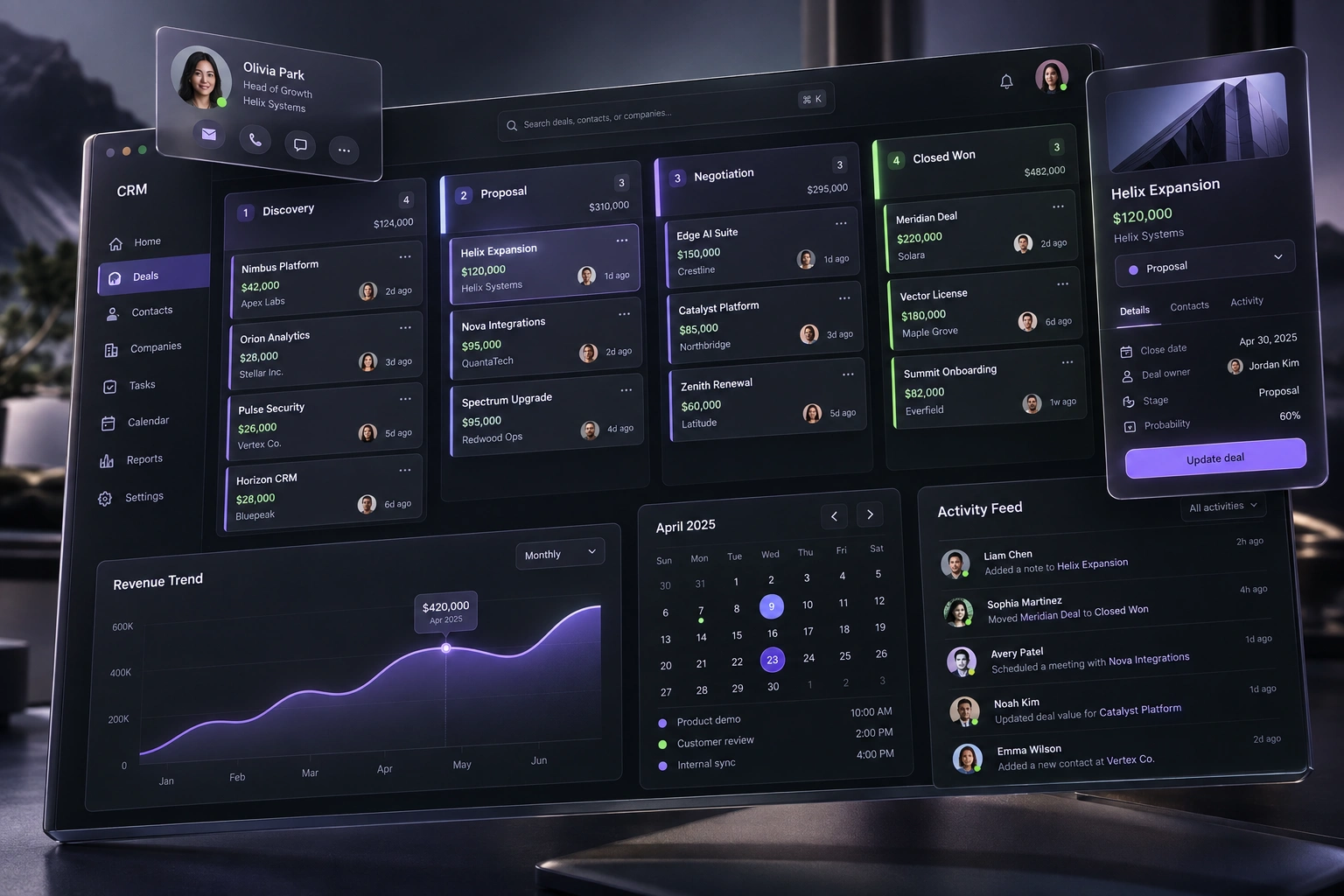
CRM COMMAND CENTER
Pipeline, follow-ups, sales reports and automations in one role-aware workspace.
 DIGISTARTUPINDIA
We design CRM and ERP around the way your teams actually sell, produce, dispatch, support and report—not around a generic template.
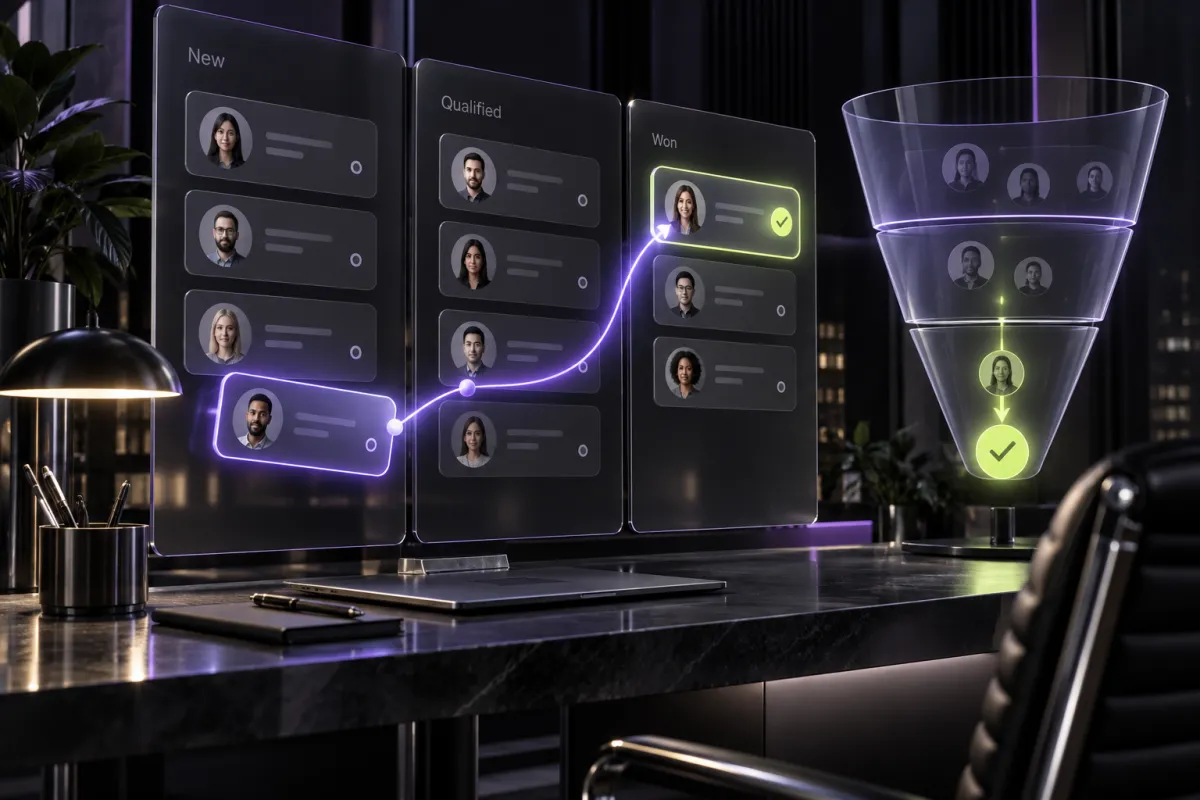
A sample sales board groups opportunities by stage and keeps the next action visible.
These sample screens show possible features and layouts. Your system will be designed around your team, daily tasks and business information.
Pipeline, follow-ups, sales reports and automations in one role-aware workspace.
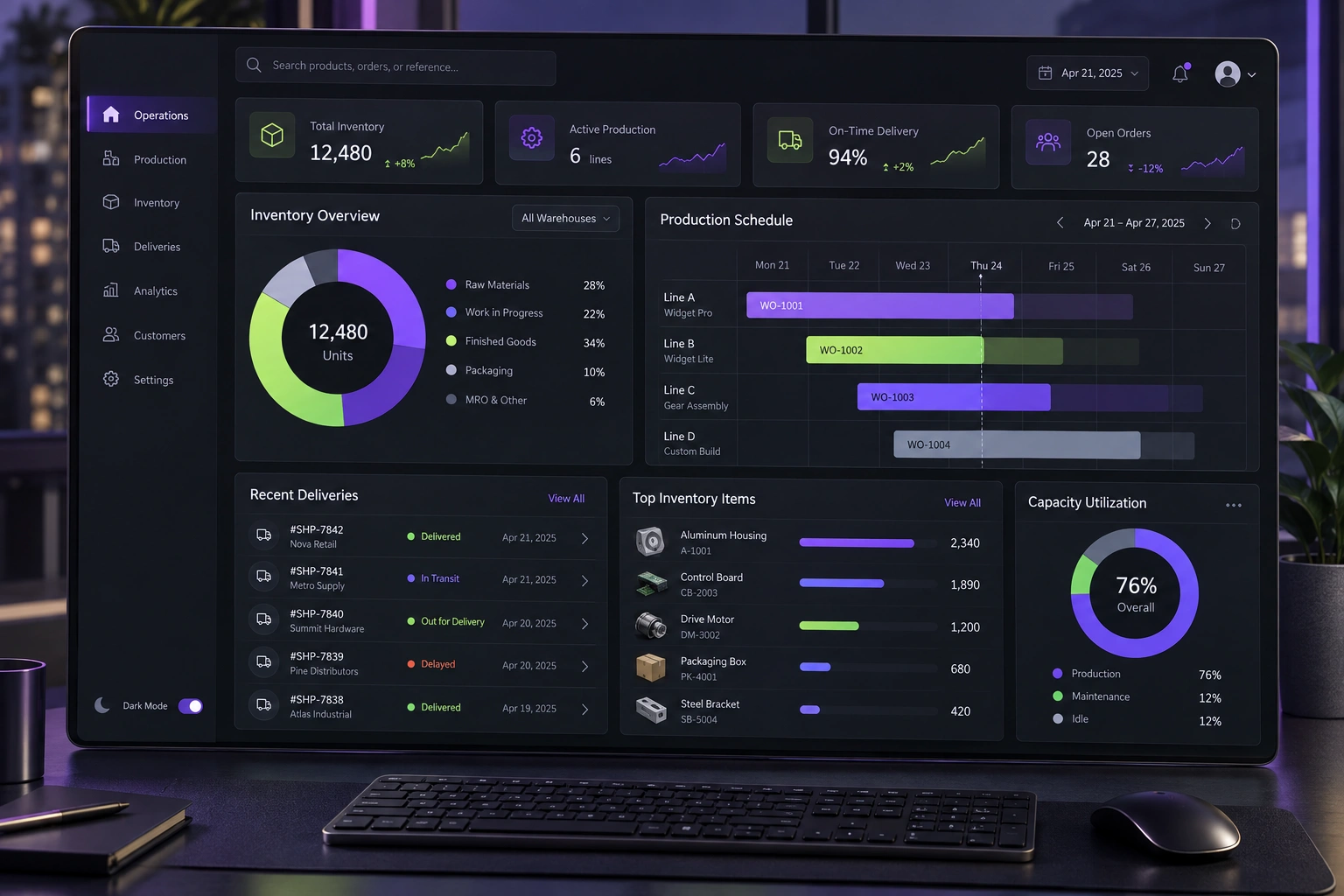
Production, inventory, purchase, dispatch and finance connected in one system.
We agree on the features you need before work starts and plan for future additions.
Map the record, stages, owners, permitted actions and exception paths around the way the team actually works.
Map the record, stages, owners, permitted actions and exception paths around the way the team actually works.
Connect operational movements, approvals and exceptions so the team can see what changed, who acted and what needs attention.
Connect operational movements, approvals and exceptions so the team can see what changed, who acted and what needs attention.
Connect operational movements, approvals and exceptions so the team can see what changed, who acted and what needs attention.
Define how hr, attendance & payroll should work, who owns it, what can fail and how the result will be accepted.
Define provider states, reconciliation, access and recovery so payment information remains operationally reliable.
Connect operational movements, approvals and exceptions so the team can see what changed, who acted and what needs attention.
Map the record, stages, owners, permitted actions and exception paths around the way the team actually works.
We focus on helping your team work efficiently and making it easier for customers to use your services.
Give sales, operations and management a view of the information relevant to their work. Each dashboard can show assigned tasks, current activity and agreed performance measures without exposing records the user should not access.
Move routine tasks through defined stages, such as assigning a new lead or requesting approval for an order. We agree on the rules and exceptions with your team so people stay in control of decisions that need judgement.
Record key actions such as status changes, approvals and edits alongside who made them and when. This makes it easier to trace a record’s history and investigate discrepancies; any specific compliance requirements must be agreed separately.
Build reports around the questions your business needs answered, rather than a fixed set of charts. Alerts can flag overdue follow-ups or other agreed thresholds, helping the right person respond at the right time.
Let your team use important workflows on smaller screens, whether they are in the office or out in the field. Forms, navigation and key actions are designed for touch, with device and connectivity requirements agreed during planning.
Help your team learn the everyday tasks they will perform in the system. We agree on training, maintenance responsibilities and support coverage before handover, so expectations remain clear after launch.
Roles, approvals, exceptions and data ownership.
Interactive flows before heavy engineering.
Modules delivered in measurable releases.
Training, launch support and improvement cycles.
Indicative bands help qualify fit; the proposal is based on the agreed scope, integrations and delivery responsibility.
Map users, workflows, risks, evidence and the strongest first release before committing to a larger build.
Design, engineer and validate one coherent release with named milestones, acceptance checks and weekly visibility.
Maintain, observe and improve the released system through an agreed monthly capacity and priority queue.
Written decisions, scheduled reviews, timezone-aware meetings and documented handover keep international work visible.
SEE HOW REMOTE DELIVERY WORKSA custom CRM or ERP is business software designed around your roles, workflows, approvals, data and reports instead of forcing the team into a generic template.
Yes. The system can connect customer pipelines with quotations, orders, inventory, production, dispatch, service and finance when those flows are included in the agreed scope.
Yes. A focused first release is often the strongest approach. The architecture can be planned for later modules while the team validates one high-value workflow first.